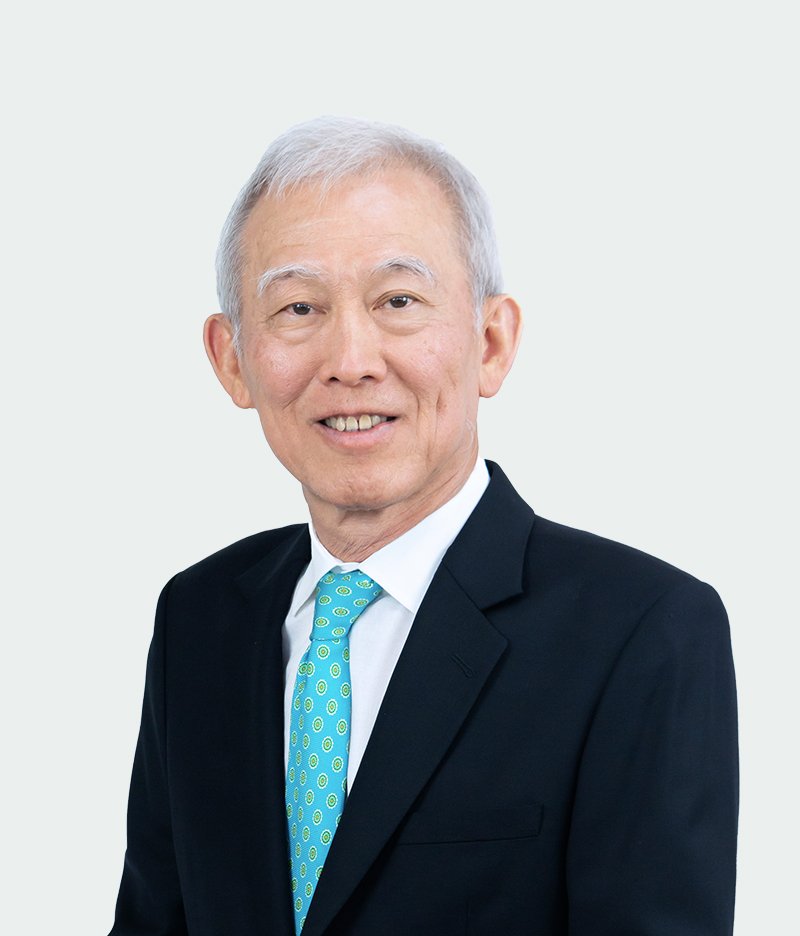
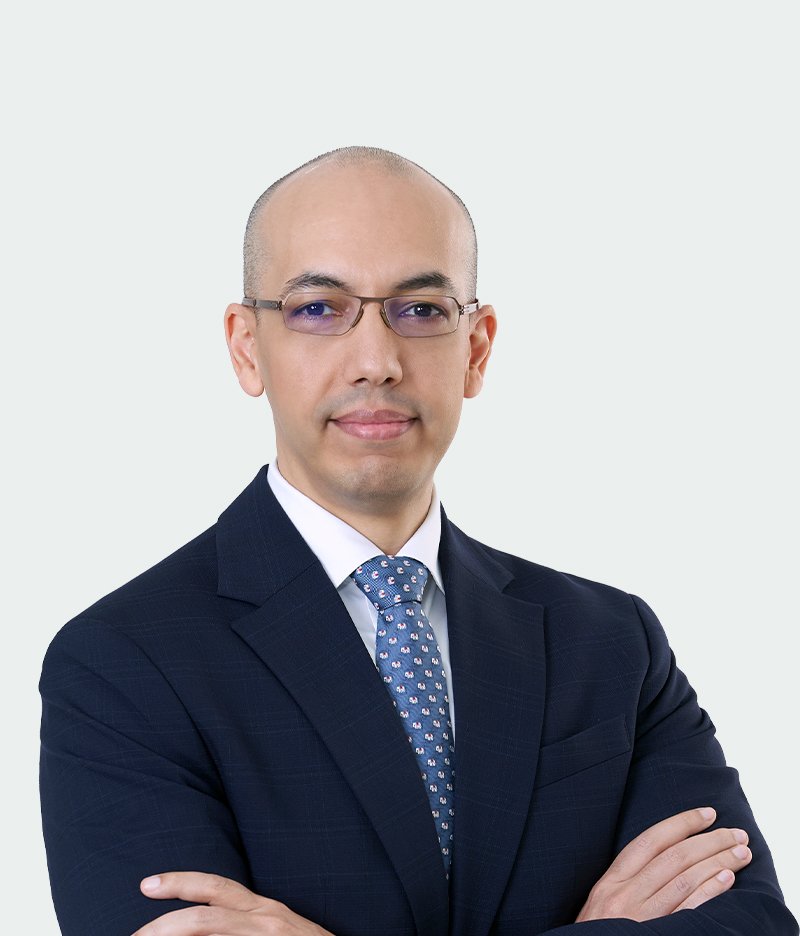
Mr. Youssef EL KHOMRI
- Director
- President
- Member of the Executive Committee
- Chairman of the Risk Management Committee
- Chairman of the Sustainability Development Committee
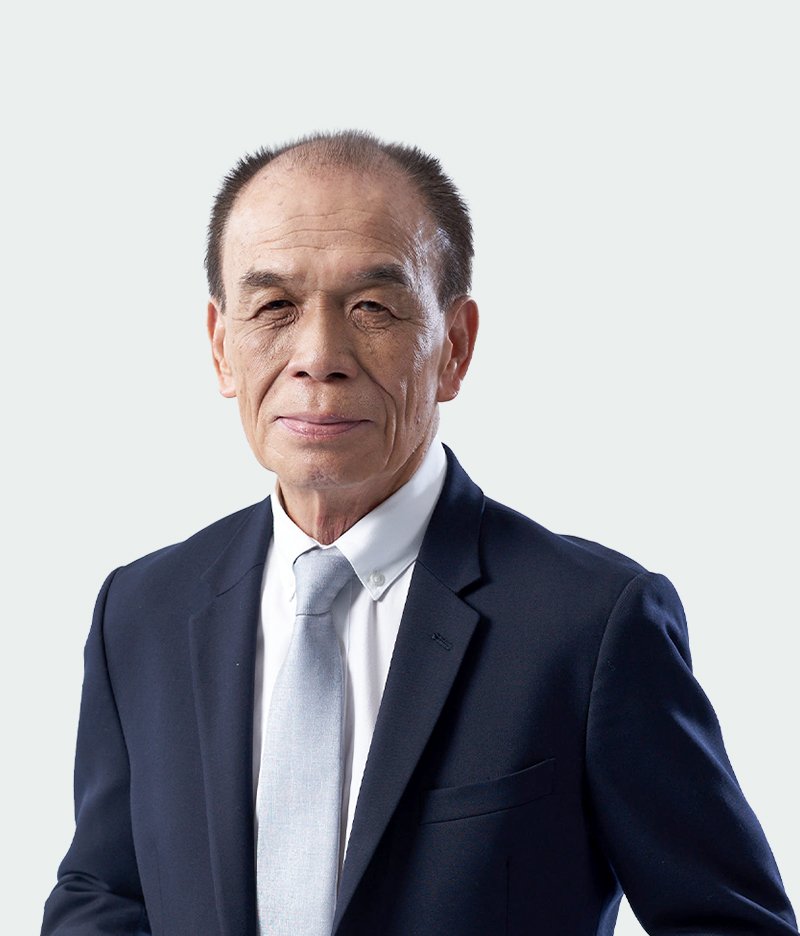
Mr. Chanin Vongkusolkit
- Director
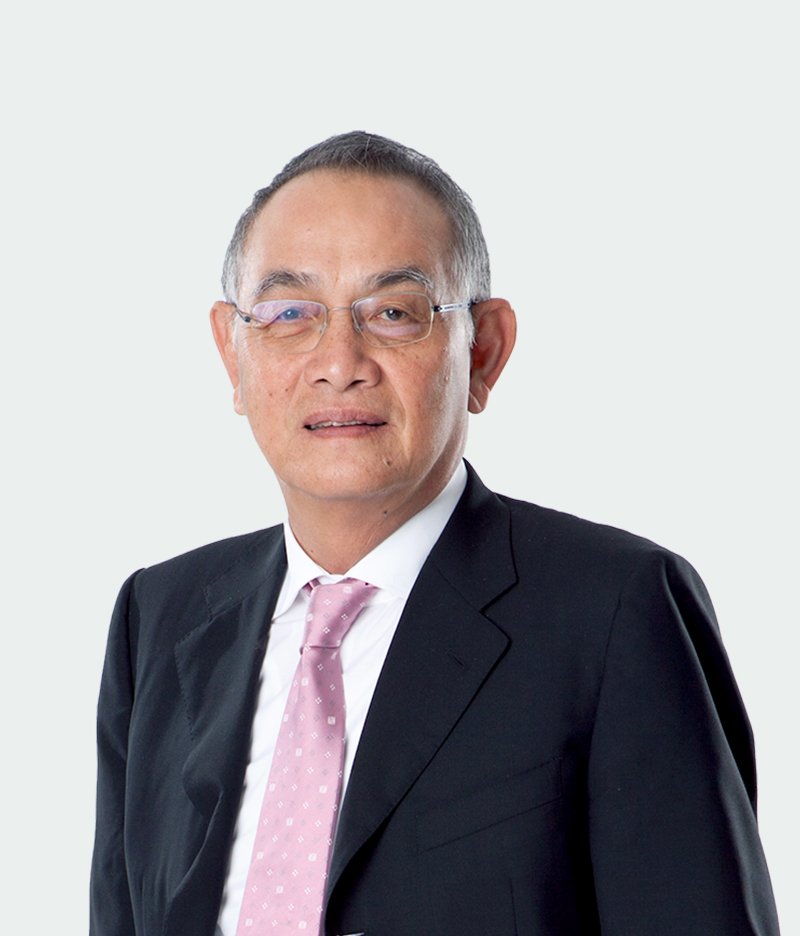
Mr. Banyong Pongpanich
- Independent Director
- Member of the Nominating and Corporate Governance Committee
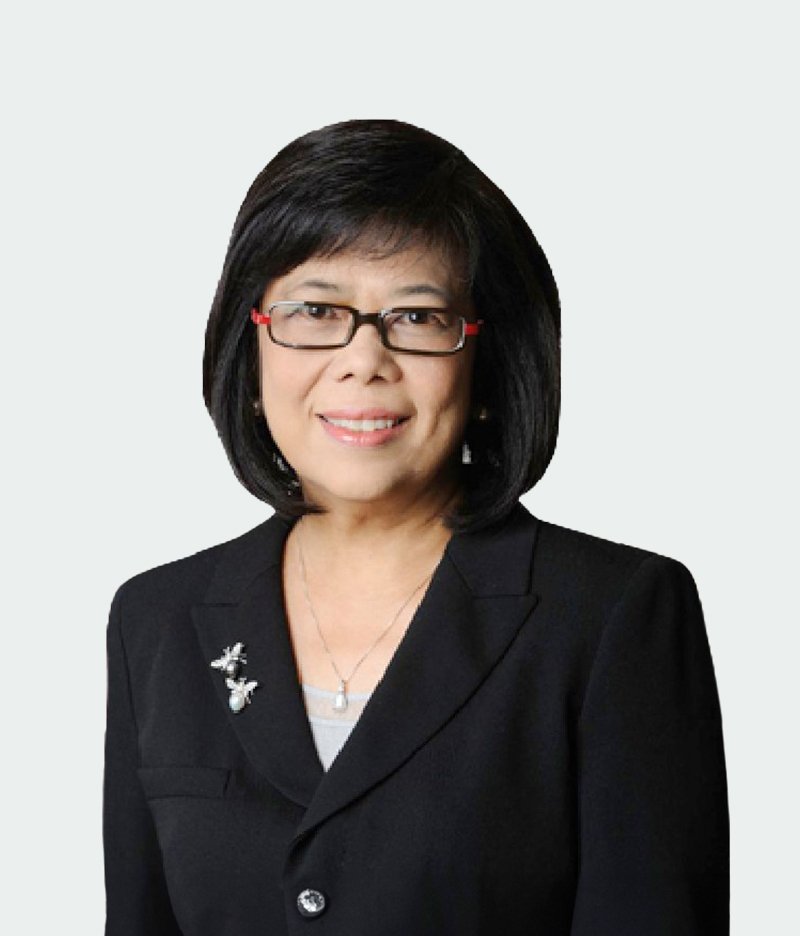
Dr. Kulpatra Sirodom
- Independent Director
- Chairman of the Audit Committee
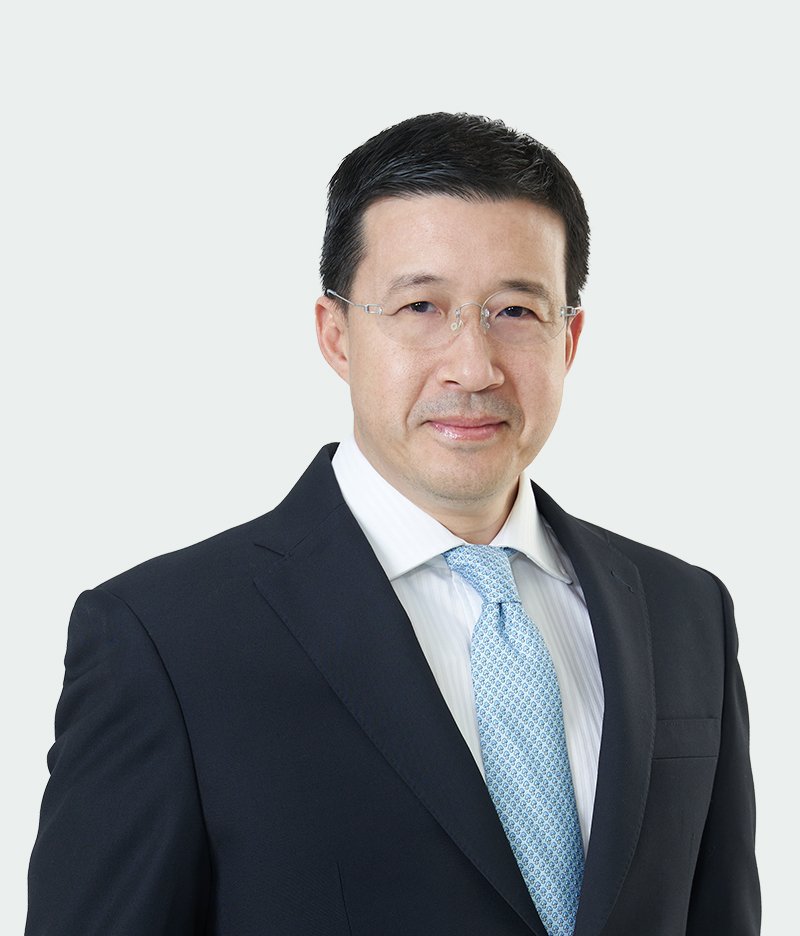
Mr. Ekasith Jotikasthira
- Independent Director
- Member of the Audit Committee
- Member of the Management Development and Compensation Committee

Dr. Pipat Luengnaruemitchai
- Independent Director
- Member of the Audit Committee
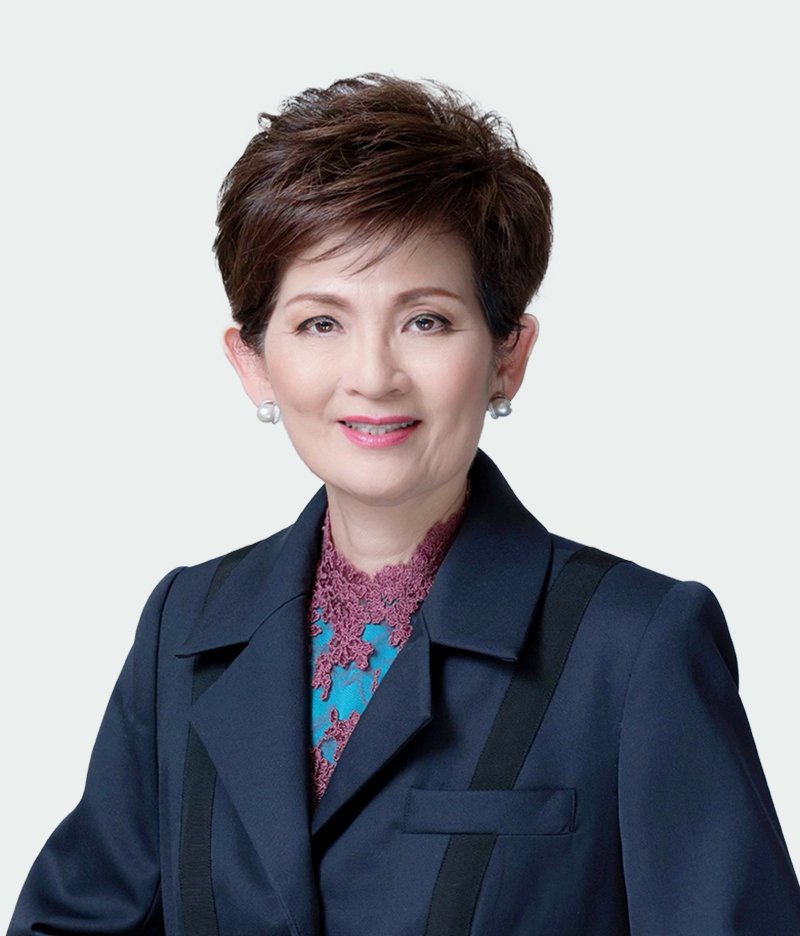
Mrs. Panida Thepkanjana
- Director
- Chairman of the Nominating and Corporate Governance Committee

Mr. Gavin Vongkusolkit
- Director
- Chairman of the Executive Committee
- Member of the Nominating and Corporate Governance Committee

Mrs. Amporn Kanjanakumnerd
- Director
- Member of the Management Development and Compensation Committee

Mrs. Arada Vongkusolkit
- Director
- Member of the Executive Committee
- Member of the Management Development and Compensation Committee
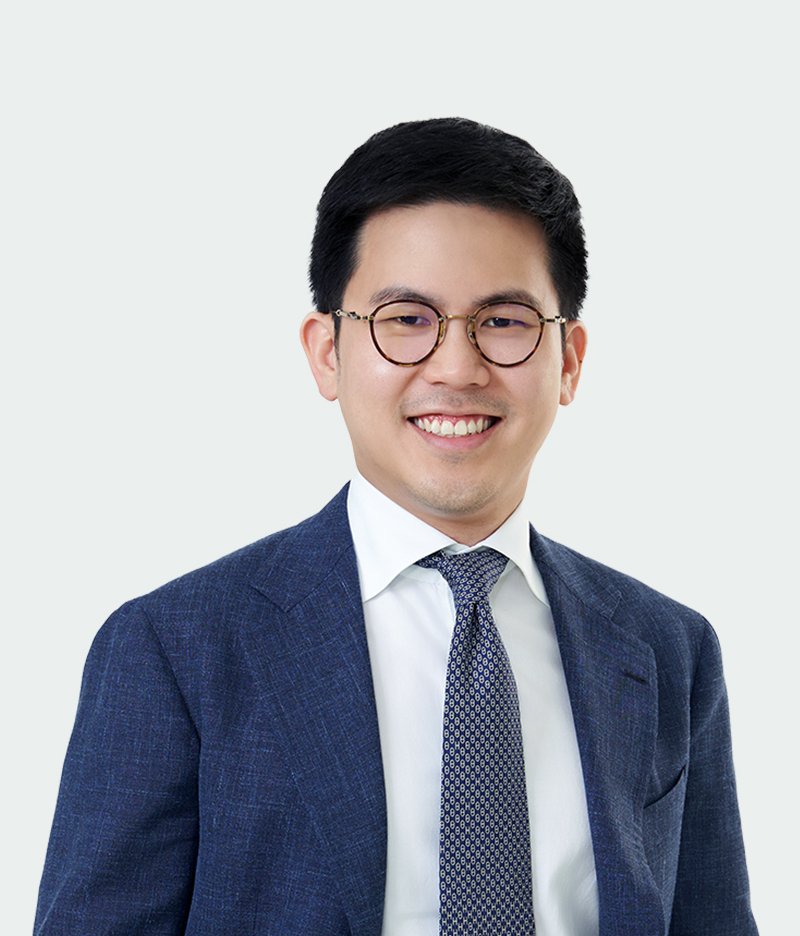
Mr. Supatchara Wattanavekin
- Director
- Member of the Executive Committee
Principles
The Board of Directors consists of twelve members, all of whom were appointed by the Shareholders' Meeting. The Board has established four sub-committees to oversee management in all aspects and has outlined the qualifications for directors to ensure diversity in terms of gender, age, knowledge, and experience across various fields. The sub-committees are as follows:
- The Audit Committee (AC)
- The Executive Committee (ExCom)
- The Nominating and Corporate Governance Committee (NCG) and
- The Management Development and Compensation Committee (MDC)
There is also the establishment of sub-committees at management level to support and ensure comprehensive oversight of all operational aspects in line with Corporate Governance Principles, as follows:
- The Risk Management Committee (RMC)
- The Sustainability Development Committee (SDC)
Authority to sign on behalf of the Company
Two of the following five directors, namely Mr. Chanin Vongkusolkit or Mrs. Panida Thepkanjana or Mrs. Arada Vongkusolkit or Mr. Supatchara Wattanavekin or Mr. Youssef EL HOMRI, shall jointly sign a document.
Annual Corporate Policy Review:
The resolution of the Board of Director meeting no.8/2025 held on 24 November 2025 was to review and approved the Corporate Good Governance Policy and relevant practices as detailed below.
Corporate Governance and Code of Conduct
Anti-Corruption and Relevant Practices
Human Rights Policy and Employees Handbook
Sustainable Development Policy
Risk Management Policy
Personal Data Protection Policy
Other Policies
Cyber Security Policy
- Information Security Policy
- User Management
- Computer room access control
- Workstation Policy
- Email usage Policy
- Password Policy
- IT Service Management
- Data and Application Owner
- Backup and Restoration
- Cyber Security Policy
- Data Class Policy
- Data Encryption Control Policy
- Data Loss Prevention (DLP) Policy
- Third Party Access Policy
- Vulnerability Management Policy
- Malware Protection Policy
- Device and Media Handling and Destruction Policy
- Physical Security Policy
- Access Control Policy
- Bring Your Own Device Policy (BYOD)
- Remote Access Virtual Private Network (VPN)
- Internet Usage Control
- Incident Handling Policy
- Change Management
- Disaster Recovery Plan
- Audit Log Management